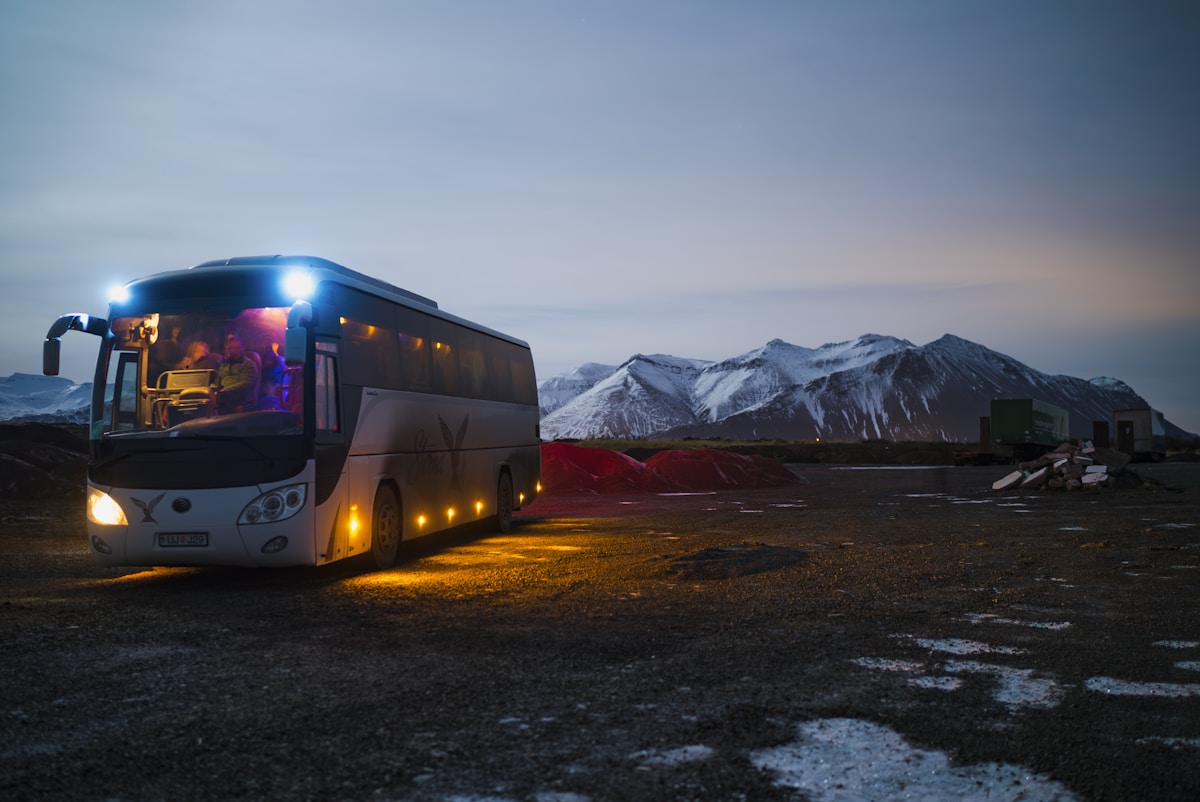
Bus 190 is part of my weekly map — not glamorous, just reliable, the kind of route you memorise without trying because life repeats. That Tuesday I boarded near the interchange with a bag of groceries that kept trying to roll under the seat. The driver watched in the mirror until I wedged the bag properly, then pulled away smooth enough that nothing tipped. Small competence — I notice it more as I get older.
Halfway through the ride, an auntie with a foldable trolley struggled at the door during a sudden brake. Before I could stand, a teenager already up the aisle steadied her elbow and held the strap of her bag without making a speech about it. She thanked him in three languages worth of tone. He shrugged like he had only returned a borrowed pen. The rest of us went back to our phones, suddenly more civilised in silence.
I thought about how often I ride without seeing the carriage as a shared room. Same seats, same handrails, same unspoken rules about where bags belong. The courtyard at home works similarly — overlapping lives, brief assists, no contract. You hold a door because your hands are free. You shift because someone needs the pole. You pretend not to watch too closely when someone is embarrassed.
My stop came sooner than I wanted — not because the ride was fun, because I was mid-thought about kindness as infrastructure. Not charity. Infrastructure. The boring kind that keeps neighbourhoods from fraying. The auntie got off two stops later with the teenager's help still visible in how she carried herself — straighter, less apologetic about taking space.
I walked from the bus stop through the open gate and heard the familiar courtyard soundscape: distant TV, someone rinsing a mop, a bird that refuses to be identified. The plastic chair was where I left it, angled toward the lift like it had been saving my view. I sat one minute before going upstairs — not ritual, just transition.
What the courtyard kept from that bus ride was not drama. It was the reminder that help can be quick and unmarked. I did not photograph it. I am writing it instead, which is my slower way of saying: I saw something good between strangers, and I want it filed where I will find it again.
Later that week I boarded 190 again at the same hour, hoping for nothing more than a seat and a smooth brake record. The same driver was on duty. I did not thank him — that would have been awkward for both of us — but I nodded at the mirror and he nodded back, a transaction of recognition that cost nothing and still mattered.
Public transport writing can turn preachy fast. I am not here to praise a corporation. I am here to note that carriages and courtyards share a design problem: many people, one space, brief overlap. When overlap goes well, it deserves a line in a personal blog before the week erases it.